
Cinnamon Sugar For A Quick Festive Win
Author: Admin Date Posted:16 December 2025

Cosy Cafes for Christmas Five ways to finish your festive menu with cinnamon sugar. Fresh & organic for a simple, impactful solution.
December in Australia presents a unique challenge for cafés. Your customers want festive flavours. They want that unmistakable sense of Christmas warmth. But when the thermometer climbs toward 40 degrees, the traditional approach to festive menus falls flat.
The solution? Think smaller. Think finishing touches.
Cinnamon sugar, applied thoughtfully across your menu, creates instant festive impact without requiring new recipes, new equipment, or a complete overhaul. A simple dusting on cappuccino foam. A light sprinkle on warm scones. A whisper of cinnamon sugar across a breakfast bowl. These small, intentional finishes signal "we've thought about this" and transform everyday menu items into something that feels more celebratory.
Understanding Cinnamon Sugar
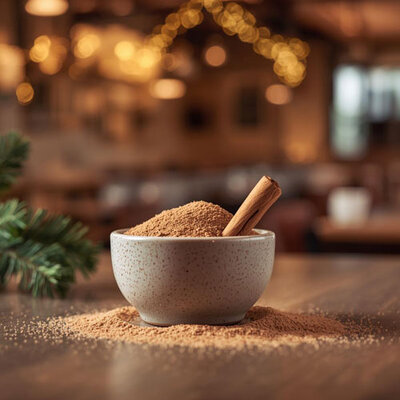
Cinnamon sugar isn't complicated. At its simplest, it's just ground cinnamon mixed with sugar in a ratio that works across different applications.
The classic base ratio is 3 tablespoons caster sugar to 1 teaspoon ground cinnamon. This balance ensures the cinnamon flavour registers clearly without becoming dusty or overwhelming. Caster sugar works best because its fine crystals dissolve slightly when they contact warm surfaces—the sugar adheres to butter, foam, or warm pastry, creating a polished, intentional finish rather than a careless dusting.
But your sugar choice matters more than you might think. Different sugars deliver different visual results, flavour profiles, and effects.
Sugar Choices for Different Effects
Caster sugar – The standard choice. Fine crystals, mild sweetness, creates a clean sparkle on warm surfaces. Works everywhere.
Brown sugar – Delivers deeper caramel notes. Creates warmer colour contrast on lighter surfaces (white cappuccino foam, scones). Pairs naturally with cinnamon's warmth. Use in 3:1 ratio but watch the moisture content; brown sugar can clump if stored poorly.
Raw/turbinado sugar – Larger crystals create visible texture and crunch. More rustic visual appeal. Excellent on warm pastries where the crystals catch the light. Use sparingly (the texture is more pronounced).
Coconut sugar – Brings subtle coconut undertone and a slightly darker colour. Creates interesting visual depth. Slightly lower sweetness impact, so consider using 2.5:1 ratio instead of 3:1 to maintain flavour presence.
Muscovado sugar – Rich, deep molasses notes. Creates the most dramatic colour effect (dark amber against light backgrounds). Use in smaller quantities because the flavour intensity is higher. Excellent on banana bread or dark pastries.
The right sugar choice depends on what you're finishing. Caster sugar on cappuccino foam feels clean and elegant. Brown or raw sugar on warm scones feels rustic and intentional. Coconut sugar on a granola bowl adds subtle depth without competing with fruit.
Optional Festive Blends
Once you've mastered the base ratio, simple variations add sophistication without requiring multiple jars or complex sourcing.
Orange & Cinnamon Sugar
Ratio: Base blend (3:1 caster sugar to cinnamon) + very finely grated orange zest
Where it works: Warm scones, buttered toast, coffee cake slices
Why: The orange adds a subtle "Christmas cake" reference without being heavy or obvious. The zest brings brightness that complements cinnamon's warmth.
Storage tip: Use fresh zest and refresh your batch weekly, as dried zest loses intensity quickly.
Coffee & Cinnamon Sugar
Ratio: Base blend + pinch of finely ground espresso powder
Where it works: Cappuccino foam, cinnamon rolls, coffee cake
Why: Doubles down on the coffee-cinnamon pairing. Feels sophisticated and intentional. Signals that this isn't a generic seasonal item.
Storage tip: Make small batches; espresso powder absorbs moisture and can affect texture.
Chai-Style Sugar
Ratio: Base blend + tiny pinch ground ginger + tiny pinch ground cardamom
Where it works: Banana bread, chai lattes, breakfast porridge
Why: Warm, layered spice profile without being confusing or overpowering. Creates depth that customers notice without being able to name exactly what they're tasting.
Storage tip: Ginger is potent. Start with 1/8 teaspoon and adjust upward. Cardamom adds a subtle floral note—use sparingly.
Five Ways to Use Cinnamon Sugar
On Cappuccino & Flat White Foam
Replace your standard cocoa dusting with cinnamon sugar for a fresh festive approach. Sprinkle lightly onto warm foam immediately after pouring—the heat helps it adhere, and the timing ensures maximum aroma impact for the customer.
A light dusting signals "intentional" rather than "heavy-handed." Think visual sparkle, not powder cloud. The difference between "we added cinnamon" and "this café gets festive" is literally a feather-light touch.
Menu positioning: Cinnamon Sugar Cappuccino – Warm milk, espresso, finished with a touch of festive warmth.
Staff tip: Sprinkle while foam is still warm; do it just before handing to the customer so the aroma hits them immediately. This small timing detail creates a stronger sensory impact than the spice itself.
On Warm Pastries & Baked Goods
Buttered scones, warm toast, cinnamon rolls, sliced coffee cake—any warm baked item benefits from a cinnamon sugar finish. The key is applying it to still-warm butter so the mixture adheres visibly rather than falling straight through.
Brush your item with melted butter first. While the butter is still warm, sprinkle your cinnamon sugar blend lightly across the surface. The sugar catches the butter; the warmth releases the cinnamon aroma; the result looks finished and intentional.
Different sugar choices create different effects here. Brown or raw sugar on a rustic scone looks warm and considered. Caster sugar on delicate pastry looks clean and elegant. Muscovado on dark banana bread creates dramatic contrast.
Menu positioning: Cinnamon Sugar Scone – Warm comfort, buttered and finished with cinnamon sugar.
Staff tip: Apply the cinnamon sugar within 1-2 minutes of buttering so it adheres properly. Timing matters more than quantity.
On Cold Drinks (Iced Lattes, Cold Brew)
Cinnamon sugar sits on the cream or foam layer of cold drinks, creating visual contrast against the white surface. It doesn't dissolve into the cold liquid, so customers see the detail with every sip.
The warm spice dusted over cold milk is an unexpected pairing that works. It's elegant without trying too hard.
Menu positioning: Chilled Cinnamon Latte – Cold milk, espresso, and a touch of cosy cinnamon sugar.
Staff tip: Sprinkle over the cream layer. It needs to stay visible on top.
On Warm Breads & Slices
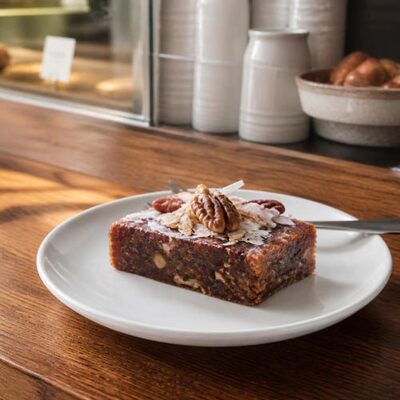
Banana bread, date bread, fruit bread—warm slices of quick breads benefit from the same cinnamon sugar treatment as pastries. Brush the warm slice with melted butter, sprinkle your cinnamon sugar blend while warm, serve immediately.
This application works beautifully with sugar variations. Brown sugar on banana bread feels natural. Chai-style sugar (with ginger and cardamom) on date bread adds complexity. Muscovado on dark chocolate-studded bread creates drama.
The finish makes a simple bread slice feel like a considered offering rather than a grab-and-go item.
Menu positioning: Warm Banana Bread – Served with a cinnamon sugar finish and optional cream.
Staff tip: Warm the slice briefly in the microwave (15 seconds) if needed; brush with melted butter; sprinkle; serve within a minute. Speed keeps the finish visible and warm.
Why Cinnamon Sugar Works
Beyond the obvious sensory appeal, cinnamon sugar succeeds as a finishing technique because it addresses multiple customer needs simultaneously.
Visually: The sparkle and texture catch the eye. Customers notice the detail before they taste it. It looks polished.
Aromatically: Ground cinnamon creates an immediate scent signal. Customers smell Christmas before they taste it. This aroma-first approach is powerful—it shapes expectation and memory.
Flavour-wise: The sugar carries the cinnamon, helping distribute flavour evenly. A light dusting of cinnamon sugar tastes better than pure cinnamon powder alone.
Practically: The finish works on warm items (adheres to butter), cold items (sits on top), and everything in between. You're not limited to specific applications.
Psychologically: A small finishing detail signals "we care." Customers appreciate that level of consideration, even if they can't quite articulate what they're noticing.
Why Quality Cinnamon Matters
Ground cinnamon loses potency within 6-12 months. Small batches of fresh, organic cinnamon from Opera Foods deliver noticeably better results than bulk powder sitting on warehouse shelves.
Opera Foods sources Ceylon cinnamon, which has a brighter, more delicate flavour profile than the cassia varieties commonly found in commercial supplies. The quality is noticeable the moment your customers taste it.
When your team says "This is organic cinnamon," customers understand you've made a choice about sourcing. That positioning carries weight.
The Elegant Approach to Festive
Australian summer doesn't demand complicated new menus. It demands thoughtfulness. It demands small, intentional finishes that signal "we've considered your Christmas celebration, even in this heat."
Cinnamon sugar delivers exactly that. One simple technique, thoughtfully applied, transforms your regular menu into something festive.
Quality organic ground cinnamon from Opera Foods is the foundation. Everything else follows from there.