

How to Design a Customisable Granola Bowl Menu Customers Love
Author: Admin Date Posted:16 February 2026
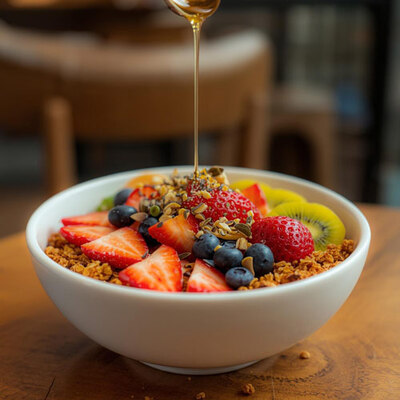

Build-your-own-bowl Part 2. Structure a customisable granola bowl menu with clear decision paths and options that guide customers without boxing them in.
How do you structure a customisable granola bowl menu that customers actually enjoy using? The answer is to create a guided path rather than offering unlimited choice. Customisable granola bowls sound simple: let people choose what they like. In practice, an unstructured "build your own bowl" approach can overwhelm customers and slow your team down. The goal is to offer real choice without turning every order into a puzzle.
A good granola bowl menu works like a guided path. Customers move through a few clear steps, each with a small set of appealing granola bowl options and end up with a bowl that tastes balanced and feels like it was made for them.
This article walks through how to structure that path using three building blocks: the order of decisions, how many options to offer at each step, and how to use house favourites and gentle defaults to guide people through without making them feel boxed in. In other words, it shows how to design a breakfast menu structure that feels simple but still genuinely customisable.
How to Structure Your Granola Bowl Menu: Order of Decisions
Think about how a satisfying bowl comes together on the bench. You start with the base, which is where everything sits. Then comes granola for crunch, flavour, and aroma. Fresh fruit adds colour and juiciness. Extras like nuts, seeds, or chocolate give texture and richness. Finally, a drizzle or swirl finishes it off.
That order is your menu skeleton. It matches how the bowl is assembled and how customers naturally think about building something delicious, moving from foundation to finish. When you design a customisable granola bowl menu around that sequence, you make it easier for people to say yes at each step without having to think too hard.
A simple step-by-step flow
On the printed or digital menu, turn this into a short, numbered journey: choose your base, choose your granola, choose your fruit, add your toppings, and finish with a drizzle. Customers can follow this even when half-awake on a weekday morning. They always know what comes next, and staff can talk through it in the same order they are building the bowl.
How many decision steps should a granola bowl menu have? Most cafés work best with three to five steps: base, granola, fruit, toppings, and finish. Not every café needs all five decisions. If service is tight or your team is small, you might combine or drop a step. You could combine toppings and drizzle into a single "extras and finish" step, or offer a fixed fruit mix instead of fruit choice during the busiest periods.
The key question is practical: can your team build any allowed combination quickly and confidently? If one more decision tips it into confusion or creates queue delays, simplify the path rather than pushing more choices.
How Many Options Should Each Category Offer?
Too many options at any step is where menu decision fatigue kicks in. A useful rule of thumb in café menu customisation is three to five options per step. Fewer than three feels like there is no real choice. More than five slows people down and makes everything blur together.
Bases that feel different
A strong base section might offer Greek yoghurt (thick, creamy, higher in protein), coconut yoghurt (plant-based, rich, slightly tangy), and perhaps a chilled oat yoghurt or similar lighter dairy-free option. Each one should feel different in texture, richness, and dietary fit. You do not need six yoghurts that taste almost the same; you need a handful that clearly cover different needs and moods.
Granolas with a role to play
Think of granola choices as characters, each bringing something distinct to your build-your-own-bowl menu. You might have a favourite Opera Foods granola that is your all-rounder, a lighter low-sugar mix for those watching sweetness, a nutty or chocolatey option for indulgence, and a vegan or gluten-free option if that is not already covered by your other choices. Each granola should bring its own flavour and texture story. Avoid tiny variations that do not really change the eating experience.
Fruit that adds colour and freshness
Here, you can lean on seasonality while keeping the list short. A mixed berry option covers strawberries, blueberries, and raspberries as available. Banana is creamy, familiar, and goes with everything. A "today's seasonal fruit" option lets you rotate through mango, stone fruit, or citrus segments depending on what is at its best. Customers do not need a fruit stand's worth of choice. They need to know they can get something bright, something comforting, or something seasonal without overthinking it.
Toppings that change the mood
Toppings are where people put their stamp on the bowl, so offer a small mix that covers different textures and purposes. Some customers want crunch from nuts, seeds, or toasted coconut. Others want a treat element like dark chocolate chunks or granola clusters. Some are looking for a nutrition boost through chia, hemp, or bee pollen. Three to five options are enough. If the list starts to look like the whole pantry, it is probably too long.
How many options should each category offer? Three to five choices per category keep the menu feeling generous without overwhelming customers or staff.
Using Defaults and House Favourites to Guide Choices
Even with a clear path and limited options, some people still do not want to decide at every step. This is where defaults and house combinations help without removing choice from those who want it.
House defaults for each step
Choose a go-to option in each category: Greek yoghurt as the base, Roasted Almond Crunch granola, mixed berries for fruit, nuts and seeds for toppings, honey or maple for the drizzle. You do not have to announce them loudly, but structure the menu so these appear first on each list and maybe mark them with a small note like "house favourite" or a tick.
If a customer says, "I do not mind, you choose", staff can build the bowl entirely from defaults and know it will taste balanced. If someone only wants to customise one thing, for example, swapping to coconut yoghurt, the rest of the bowl still works because the defaults have been thought through.
Language that makes choices easier
How you phrase things matters more than you might expect. Saying "our Greek yoghurt is the house base; coconut yoghurt is also available" is easier to process than "choose from five bases". Writing "add a drizzle of honey or maple (optional)" is less pressure than presenting a long list of syrups with no guidance.
Short, friendly hints like "most people start with..." or "pairs well with..." gently steer people without boxing them in. This kind of language recognises that some customers want to be guided, and there is nothing wrong with helping them land on something delicious quickly.
Ready-made combinations for the "just feed me" customer
Should cafés offer pre-designed bowls alongside build-your-own options? In most cases, yes. Alongside the build-your-own structure, include two to four fully designed bowls. For example, a Berry Crunch with Greek yoghurt, granola, mixed berries, nuts, and honey. Or a Plant-Powered option with coconut yoghurt, vegan granola, banana, seeds, and maple. Perhaps a Low Sugar Lift with Greek yoghurt, low-sugar granola, seasonal fruit, and seeds.
These serve customers who want something that just works with no decisions at all. Under each, you can add a small note saying, "swap the base or granola if you prefer", which signals flexibility without requiring it.
Bringing Your Customisable Granola Bowl Menu to Life
A good customisation framework is only useful if it works on the actual menu that customers read while standing at the counter or scrolling on their phone.
Keep the layout clean. Use clear step numbers so the eye can follow the path easily. Give each step a short heading like "Base", "Granola", "Fruit", "Toppings", "Finish". Use simple lists for options, with the house choice listed first in each section. Avoid long, dense blocks of text. The more the eye has to work, the more the customer hesitates.
The overall feel you are aiming for is "here is how to build your perfect bowl", not "here is a list of everything we own; good luck". When the structure is right, customers feel looked after, not tested.
Quick Reference: Granola Bowl Menu Design Best Practices
Number of decision steps: 3 to 5 (base, granola, fruit, toppings, finish)
Options per category: 3 to 5 choices maximum
Include 2 to 4 pre-designed bowls alongside build-your-own
Put house favourites first in each list
Use simple category names: Base, Granola, Fruit, Toppings, Finish
How This Serves Customers and Your Kitchen
A well-structured, customisable granola bowl menu does three things at once. Customers feel understood because there is room for different diets, moods, and appetites without having to explain or negotiate. Choices feel enjoyable rather than exhausting because a few clear decisions, in a natural order, are enough to feel personal. The kitchen stays calm because staff build bowls in the same order every time, with familiar components and predictable combinations.
In the end, structuring café menu customisation is less about offering every possible option and more about shaping a simple, satisfying journey. The right categories, the right number of choices, and a few well-chosen defaults turn "What on earth do I pick?" into "That was easy, and exactly what I wanted."
In the end, structuring café menu customisation is less about offering every possible option and more about shaping a simple, satisfying journey. The right categories, the right number of choices, and a few well-chosen defaults turn "What on earth do I pick?" into "That was easy, and exactly what I wanted."
If you're still weighing up whether customisable granola bowls are right for your café, this earlier article explores the customer appeal and operational considerations that make them work.
Don't forget to explore our range of wholesale cafe supplies.